Why Professional Assessment Matters for Basement Waterproofing
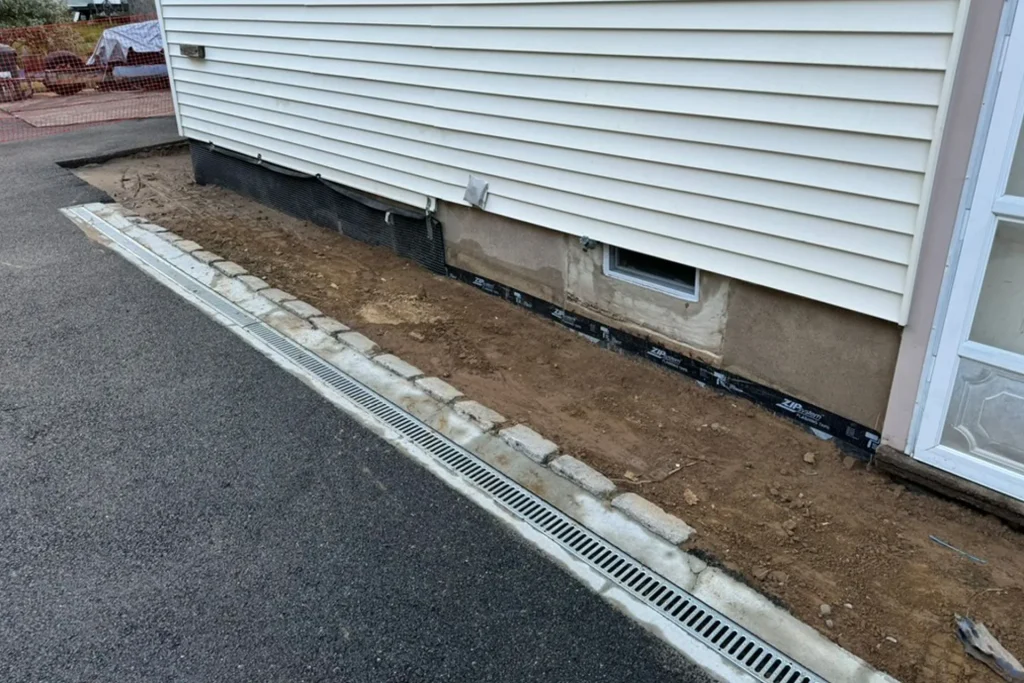
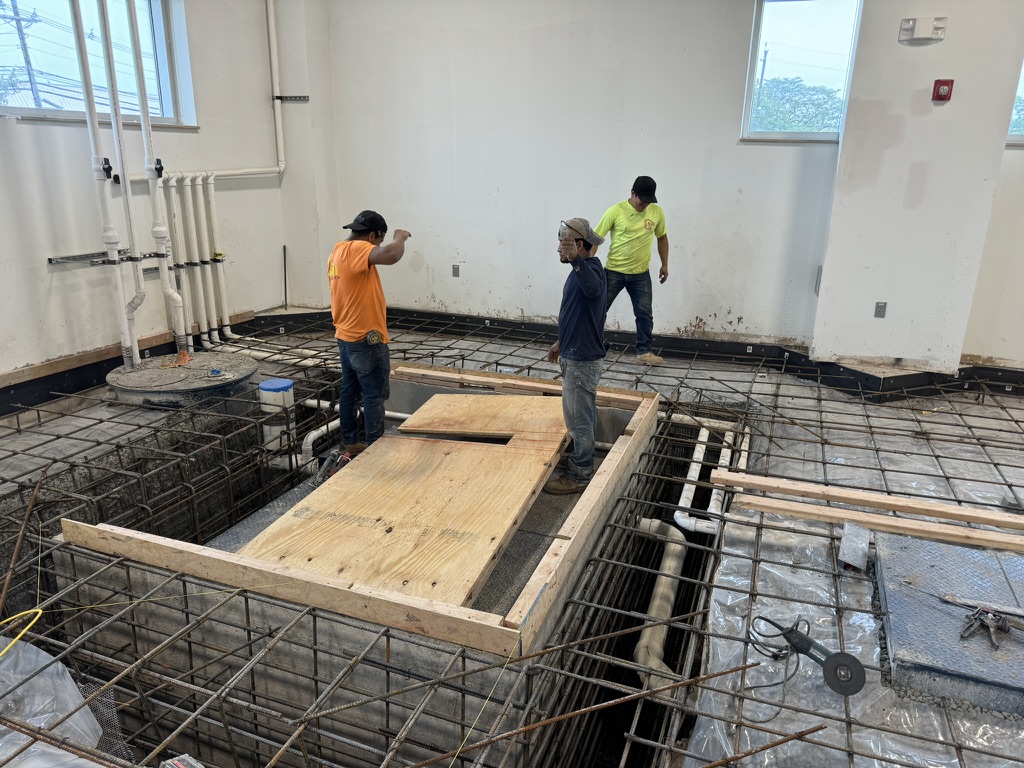
A wet basement rarely starts as a dramatic event. More often, it begins quietly. A faint musty smell after heavy rain. Efflorescence on a concrete wall. A dark line along the floor joint that dries by afternoon and gets ignored for another season. Homeowners often see these signs and reach for the most visible fix, a coating, a dehumidifier, a crack filler from the hardware store. Sometimes those measures buy time. Just as often, they hide the symptoms while water keeps finding its path.
That is why professional assessment matters so much in Basement Waterproofing. Waterproofing is not a single product, and it is not a one-size-fits-all service. It is a diagnosis problem before it is a repair problem. If the diagnosis is wrong, even expensive work can fail. If the diagnosis is right, the solution can be surprisingly straightforward.
Anyone who has spent time around foundations learns the same lesson sooner or later: water follows physics, not wishful thinking. It moves through soil, along footings, through capillaries in concrete, under slabs, and through the smallest openings if pressure is present. A basement can take on moisture for several different reasons at the same time, and the visible stain on the wall may not point to the true source. Professional assessment is the step that separates a durable fix from an expensive guess.
A basement problem is rarely just a basement problem
When people talk about a wet basement, they often picture rainwater seeping through walls. That does happen, but the real story is usually broader. Site grading, roof runoff, clogged gutters, downspout discharge, soil type, footing drain condition, seasonal groundwater, plumbing leaks, humidity, air movement, and even landscaping choices can all play a role. The basement is simply the place where these issues become visible.
A homeowner may notice pooling water near one corner and assume the wall itself has failed. In practice, that corner might be the lowest point in the slab, the place where hydrostatic pressure expresses itself, or the area closest to a buried downspout connection that came apart years ago. I have seen basements where the interior wall looked like the obvious culprit, only to find that a negative grade outside was directing thousands of gallons of roof runoff toward the foundation over the course of a season. I have also seen basements with bone-dry walls but persistent floor moisture caused by rising water beneath the slab.
This is where professional judgment matters. Assessment is not just a walkthrough with a flashlight. A good inspector or waterproofing specialist studies patterns. Where does the water appear first? Is it tied to rainfall, snowmelt, spring thaw, or year-round conditions? Does the problem worsen after storms with wind-driven rain, or after several wet days when the ground is saturated? Are there hairline shrinkage cracks, stair-step mortar cracks, wall bowing, rusted column bases, or decayed framing nearby? Those clues point in very different directions.
Surface symptoms can be misleading
One of the biggest mistakes in Basement Waterproofing is treating what is easiest to see rather than what is actually causing the moisture. Paints and sealers are a good example. Interior coatings can help in some circumstances, but they are often marketed as complete solutions when they are not. If outside water pressure remains high, a coating applied to the inside face of a wall is being asked to resist water that concrete was never meant to keep out by itself. The result can be peeling paint, recurring dampness, and a false sense of security.
Cracks are another area where surface-level thinking causes trouble. Not all cracks mean the same thing. A narrow, vertical shrinkage crack in poured concrete may simply need targeted injection if there are no signs of movement. A horizontal crack in a block wall, especially if the wall is bowing inward, raises a very different concern. That may point to soil pressure and structural movement, which means waterproofing alone is not enough. The repair has to address both water management and the integrity of the wall.
Even odor can mislead. Homeowners often assume a musty smell means external seepage. Sometimes it does. Sometimes the problem is interior humidity condensing on cool surfaces, especially in summer when warm air enters the basement. The fix there may involve drainage improvements, air sealing, and humidity control rather than excavation. Without assessment, these cases are easy to confuse.
What a professional is really evaluating
A proper assessment combines observation, experience, and a basic understanding of how buildings and water behave over time. The goal is not to sell the largest job. The goal is to identify the moisture pathway, the conditions that enable it, and the most appropriate scope of work.
A thorough review usually includes:
- Exterior drainage conditions, including grading, gutters, downspouts, splash blocks, and how runoff moves across the lot
- Foundation type and condition, including wall material, visible cracking, signs of movement, and floor joint seepage
- Interior moisture patterns, such as staining, mold-like growth, efflorescence, sump activity, and seasonal timing
- Possible non-foundation sources, including plumbing, window wells, HVAC condensate, and humidity-related condensation
- Repair history, because repeated patching often reveals where earlier diagnoses missed the mark
That mix matters because no single clue tells the whole story. A damp wall with white mineral deposits may suggest seepage, but if the downspouts discharge right beside the house, the first correction may be outside. A sump pump that runs every few minutes in dry weather may indicate high groundwater, a stuck float, or a discharge line that is sending water back toward the footing. An assessment ties those details together.
Hydrostatic pressure changes the equation
The term sounds technical, but the concept is simple. When soil around a basement gets saturated, water exerts pressure against foundation walls and beneath the floor slab. That pressure, called hydrostatic pressure, pushes moisture through cracks, pores, joints, and weak points. It is one reason minor defects can become major leaks after a prolonged wet period.
Professionals know that hydrostatic pressure changes the repair strategy. If water is entering because pressure is building outside the wall or under the slab, painting the inside will not solve the problem. The water must be intercepted, relieved, redirected, or managed. That could mean exterior membrane waterproofing, footing drain correction, interior perimeter drainage, sump installation, or some combination of those methods depending on site conditions and accessibility.
This is also where amateur fixes often disappoint. A homeowner may patch a crack successfully, only to discover water entering at the cove joint a few feet away during the next storm. The crack was real, but it was not the only pathway. Pressure simply found the next easiest route. A professional assessment anticipates that behavior.
The most expensive waterproofing jobs are often the unnecessary ones
People sometimes assume that calling a professional will automatically lead to a larger bill. In my experience, the opposite is often true when the assessment is honest and competent. The costliest situations usually come from misdiagnosis, repeated temporary fixes, or oversized solutions installed where a smaller correction would have worked.
Consider a house where water shows up in one finished-basement corner during heavy rain. The owner fears a full perimeter failure and prepares for major interior drainage work. On inspection, the actual issue turns out to be a buried downspout extension crushed by vehicle traffic near the driveway. Roof water has been dumping beside the foundation for months. Correcting the discharge, regrading a small section, and repairing localized damage may solve the problem at a fraction of the cost of a broad waterproofing system.
The reverse happens too. Some people spend years on small patches because each individual attempt feels affordable. They reseal the same crack, repaint the wall, replace carpet, run larger dehumidifiers, and store less in the basement. Over time, the cumulative cost exceeds what a proper system would have cost, and the structure may suffer additional damage in the meantime. Assessment helps avoid both extremes.
Basement Waterproofing is tied to structural health
Water problems are not only about nuisance and cleanup. Persistent basement moisture affects materials, air quality, energy performance, and in some cases structural stability. Wooden framing in contact with damp masonry can decay. Metal components can corrode. Adhesives fail. Insulation loses effectiveness. Finished spaces develop hidden mold growth behind drywall and under flooring. In block foundations, chronic water exposure combined with soil pressure can contribute to progressive wall distress.
This connection is another reason professional assessment matters. A waterproofing specialist with experience will know when the issue belongs partly in a structural engineer’s lane. For example, if a wall shows measurable inward movement, the answer is not just to keep water away. The wall may need reinforcement or stabilization. Likewise, a cracked slab with uneven settlement may require more investigation than simple moisture control.
Good professionals do not treat these as separate silos. They understand where moisture management ends and structural intervention begins, and they are careful not to promise that one service solves the other if it does not.
Finished basements raise the stakes
Water in an unfinished utility basement is one kind of problem. Water in a finished lower level is another. Once drywall, trim, flooring, cabinetry, furniture, and electronics enter the picture, a minor moisture issue becomes a much larger financial risk. Even a small seepage event can require demolition, drying, and selective replacement if materials stay wet too long.
Finished basements also make diagnosis harder. Waterproofing professionals often have to infer the entry point from staining, moisture meter readings, exterior clues, and what is visible in mechanical rooms or unfinished sections. That is one reason it is unwise to cover foundation walls with finishes before moisture history is well understood. The nice-looking space can conceal active leakage until the damage is extensive.
A careful assessment before finishing a basement is just as valuable as one after a leak appears. It can identify whether drainage improvements, crack repairs, sump upgrades, vapor management, or wall assembly changes are prudent before money is spent on renovation. Many basement failures could have been avoided with that step alone.
Climate, soil, and house age all matter
Not every home carries the same waterproofing risk. A house built in sandy soil on a well-drained lot behaves differently from a house set in dense clay. Clay expands when wet, holds water longer, and places more pressure https://blogfreely.net/eriatsjvqb/what-causes-efflorescence-and-how-basement-waterproofing-solves-it on foundation walls. Homes in regions with freeze-thaw cycles face additional stress as water in surrounding soils expands and contracts. Older homes may have tile drains that are partially collapsed, disconnected, or clogged with silt. Newer homes may have modern drains and membranes but still suffer from poor grading after landscaping or patio work altered the original drainage pattern.
This is where experience in local conditions counts. Professionals who work in a region for years develop pattern recognition. They know which neighborhoods sit in high water table areas. They know what certain decades of construction typically included, or omitted. They know how spring melt behaves on north-facing lots, and how aggressive thunderstorm runoff can overwhelm marginal systems in summer. That local insight often makes the assessment sharper and the recommendations more practical.
A professional can separate urgent issues from manageable ones
Homeowners commonly ask two questions when they discover basement moisture: How bad is it, and how fast do I need to act? A professional assessment provides perspective on both.
Some problems are urgent. Active water entry near electrical equipment, significant structural cracking, recurring flooding, sewage backup concerns, or rapid mold amplification in finished spaces deserve immediate action. Other issues are important but not emergent, such as mild seasonal dampness, isolated condensation, or aging exterior drainage that should be corrected before it creates larger trouble.
Without experience, people tend to swing between panic and complacency. They either overreact to cosmetic signs or dismiss warnings that indicate a real underlying problem. The value of assessment is not only technical. It is also practical. It helps the owner prioritize work intelligently.
Here are several signs that merit a prompt evaluation:
- repeated water stains after rain or snowmelt
- white mineral deposits on masonry surfaces
- musty odors that persist despite cleaning and dehumidification
- cracks that widen, leak, or appear with wall movement
- sump pumps cycling unusually often or failing to keep up
Those signs do not all point to the same repair, but they do justify a closer look.
The best solution is often a combination, not a single product
One reason homeowners struggle with Basement Waterproofing is that the market is full of simple promises. One contractor emphasizes exterior excavation. Another pushes interior drains on every job. Another recommends coatings, another drainage mat, another a bigger sump pump. Each tool has a place, but none is a universal answer.
Professional assessment helps match the method to the problem. In some cases, exterior work is the clear winner because it stops water before it reaches the wall. In others, interior drainage makes more sense because excavation is impractical due to additions, hardscape, property lines, or depth. Sometimes the right answer starts with basic site corrections, extending downspouts, reshaping grade, clearing drains, and adjusting irrigation. Occasionally, multiple modest measures outperform one dramatic intervention.
The nuance matters. For example, exterior excavation can be disruptive and expensive, but it may be justified for a leaking wall with failed membrane and accessible digging conditions. Interior drainage may be more cost-effective for managing under-slab water pressure, but it does not repair exterior wall defects by itself. A sump pump is essential in many systems, yet it is only as reliable as its power source, maintenance, and discharge layout. Good assessment brings those trade-offs into focus.
Moisture affects indoor air more than many people realize
Basements are connected to the rest of the house in subtle ways. Air moves upward through stack effect, especially in cooler weather, and that means odors and airborne contaminants generated below grade do not stay neatly contained. Damp materials support microbial growth. Even when growth is not obvious, elevated humidity can create a persistent stale smell that migrates into living spaces.
Families sometimes chase these symptoms in the wrong places. They deep-clean carpets upstairs, replace air fresheners, or blame old furniture, when the actual source is chronic basement dampness. A professional assessing waterproofing concerns should pay attention not only to liquid water but also to humidity, ventilation patterns, and building materials. In some homes, controlling bulk water solves the air issue. In others, a combined strategy is needed, with dehumidification, insulation adjustments, and removal of damaged porous finishes.
What a careful homeowner should ask before approving work
An assessment is only as useful as the reasoning behind it. Homeowners do not need to become foundation experts, but they should expect clear explanations. If a contractor proposes a repair, the explanation should connect the observed conditions to the recommended method. Vague claims such as "your wall is sweating" or "all basements leak" are not enough.
Ask what the water source appears to be, what evidence supports that conclusion, and why the proposed fix addresses that source. Ask whether the issue is isolated or systemic. Ask what happens if the recommendation is delayed. Ask whether there are lower-cost preliminary measures that make sense, and what limitations they carry. A trustworthy professional can discuss these points plainly.
This is especially important when estimates vary widely. Price alone tells very little in waterproofing. One proposal may include scope that the house does not need. Another may omit crucial components, such as discharge improvements, battery backup, or post-repair drainage restoration. Assessment is the framework that makes proposals comparable.
Prevention is easier than recovery
Many basement waterproofing failures are easier to prevent than to repair after damage spreads. Once water has ruined finishes, encouraged mold growth, or stressed a wall over several seasons, the project becomes larger and the disruption greater. A professional assessment done at the first sign of trouble often preserves options.
That is just as true for homebuyers and sellers. During a real estate transaction, basements can become tense territory. Fresh paint, stored boxes, rugs, and dehumidifiers can obscure history. A knowledgeable evaluation can reveal whether the space is fundamentally sound, recently patched, or likely to require significant future work. For a buyer, that may influence negotiation or budget planning. For a seller, addressing an issue properly before listing usually creates a cleaner process than hoping it will not be noticed.
The quiet value of getting it right the first time
There is a reason seasoned contractors talk so much about water management before they talk about products. Water is patient. It exploits small oversights and turns them into recurring calls. The homeowners who are happiest a few years after a waterproofing project are usually not the ones who bought the flashiest system. They are the ones whose problem was diagnosed accurately and solved in a way that suited their house, lot, budget, and risk tolerance.
That is the real case for professional assessment in Basement Waterproofing. It protects money, certainly, but it also protects judgment. It helps distinguish seepage from condensation, structural concern from cosmetic cracking, runoff problems from groundwater pressure, and urgent repairs from sensible maintenance. Most of all, it replaces guesswork with a plan.
A dry basement is rarely the result of luck. It is usually the result of understanding where the water comes from, how it moves, and what the building needs to keep it under control. Professional assessment is the step that makes all of that possible.
ARD Waterproofing
98 Smull Ave, West Caldwell, NJ 07006, United States
+1 917-691-8411
FAQ About Basement Waterproofing
Can you 100% Waterproof a Basement in West Caldwell?
A properly designed system can substantially reduce basement water intrusion, but no method can promise protection against every flood, equipment failure, or future change in site conditions. The first step is identifying whether moisture comes from surface runoff, groundwater, plumbing, or condensation. Solutions may include grading and gutter improvements, drainage, foundation repairs, and a sump system. Review the specific coverage and exclusions of any written warranty.
How much does it cost to professionally waterproof a basement in NJ?
There is no single price that fits every basement. Cost depends on the cause of the leak, the area needing work, access, excavation requirements, drainage design, sump equipment, and restoration of disturbed finishes or landscaping. Request an on-site assessment and an itemized written estimate that explains the scope, exclusions, and maintenance requirements before comparing proposals.
How long does foundation waterproofing last in West Caldwell, NJ?
Service life varies with the waterproofing materials, installation quality, soil and water conditions, and maintenance. Drainage components and pumps may require servicing or replacement even when other parts of the system remain functional. Keep gutters, drainage outlets, and sump equipment maintained, and have recurring leaks or changes in foundation condition assessed. Ask for product-specific expectations and written warranty terms rather than relying on one lifespan for the entire system.